Embodied UX in a word game: moving letter tiles as a cognitive strategy
Developed an experimental word game focused on embodied interaction, analysing how moving letter tiles are used to support thinking and problem-solving.
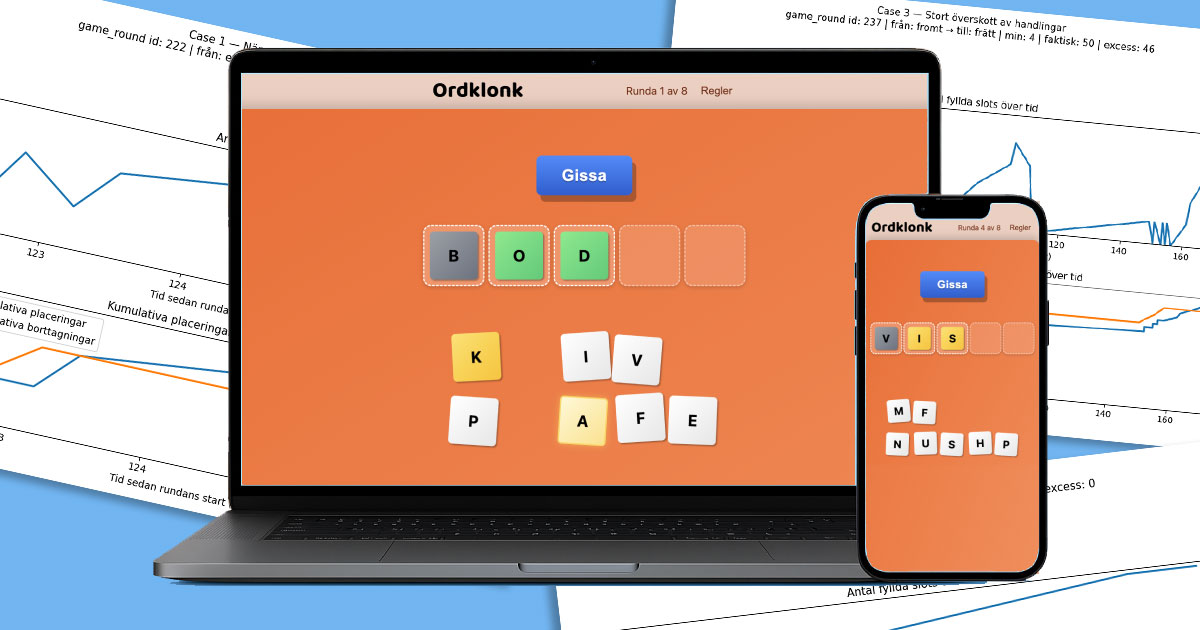
Developed an experimental word game focused on embodied interaction, analysing how moving letter tiles are used to support thinking and problem-solving.
Designed and built an interactive prototype in React, with a PHP/MySQL backend and detailed interaction logging. Conducted a hypothesis-driven UX analysis of how players use the interface as a workspace when solving problems.
Try Ordklonk directly in your browser. The game is designed to explore how moving letter tiles can support thinking.
Ordklonk is an experimental word game that I designed and built to investigate a UX question: is interaction only used to execute a solution, or can manipulation itself function as part of thinking? The player builds words by dragging and dropping letter tiles, receives clues after each guess, and can then continue reshaping their hypothesis directly in the interface.
I wanted to investigate whether players make more repositioning actions than are actually required to move from one guess to the next. If so, this suggests that the interface is not only used to express an already finished answer, but also as a workspace where the answer takes shape through action.
The data consists of approximately 11 participants who played around 8 rounds each. The analysis is based on transitions between two guesses, where each transition represents a sequence of interactions between two word configurations. In total, 319 transitions were analysed (n = 319), after filtering to data points with valid and complete event data. Each data point therefore represents not a player, but a step in the problem-solving process.
Each core action in the game was logged as event data: when a tile was placed, removed, and when a guess was submitted. For each transition between two guesses, I then calculated a conservative minimum number of actions required to reach the next word configuration. This minimum was compared with the actual number of actions logged between guesses.
The analysis shows that players systematically perform more actions than are needed to reach the next guess. On average, 4.44 actions were required to move from one guess to the next, but players performed 8.93 actions on average. 62.1 percent of transitions contained an excess of actions, and in 28.5 percent of cases more than twice as many actions were performed as the minimum. The difference was statistically significant according to both the Wilcoxon signed-rank test and the binomial test (p < 0.001).
Players alternated between using letter tiles to directly form guesses and moving tiles around more than necessary.
The first example shows a transition between two guesses where the player operates close to the minimum number of actions required to reach the next word configuration. The curve for filled slots is relatively stable and the number of removals is low. This serves as an important contrast: the game can be used efficiently and purposefully, making it easier to see when the player instead begins to explore through interaction.

The second example shows a more typical case where the player performs more actions than strictly necessary. The interaction begins with the player breaking down the previous word through removals and rearrangements. This is followed by a clear pause where no actions occur, even though the task is not yet solved. After the pause, interaction resumes and the player relatively quickly constructs the next guess. This suggests a shift between two cognitive modes: on one hand, exploratory, embodied thinking where the interface is used as an external workspace; on the other, internal processing where the player pauses to think without acting. The interaction is therefore not only used to execute a pre-formed plan, but also as a tool to shape and test hypotheses over time.

The third example shows a more extreme case where actual interaction far exceeds the minimum that would have been enough to reach the next guess. Here, the number of filled slots fluctuates up and down, and the curve for removals grows almost as much as the curve for placements. This type of sequence suggests that the interface is used as a workspace where the player actively reshapes the solution through action.

The results suggest that players do not use the interface solely to execute finished solutions. They also use it to explore and reshape them. When the number of actual actions systematically exceeds the minimum required, and this also happens in a statistically significant way, it becomes a concrete indication that interaction functions as cognitive support rather than just an input interface.
I also investigated whether manipulation increases as the player gains more information about the solution. In this study, no statistically significant relationship was found. This suggests that the behaviour is not driven by the amount of information itself, but by more specific problem states. For design, this means that embodied interaction does not arise automatically -- it likely needs to be triggered by the right kind of uncertainty. Identifying these situations is a clear next question to explore.
This case shows how I work at the intersection of design, code, and analysis. I did not just build the prototype, but also the data model, logging, and analysis that made it possible to test a concrete hypothesis about user behaviour. To me, this is a core part of UX engineering: creating interactions that can be experienced, measured, and deeply understood.
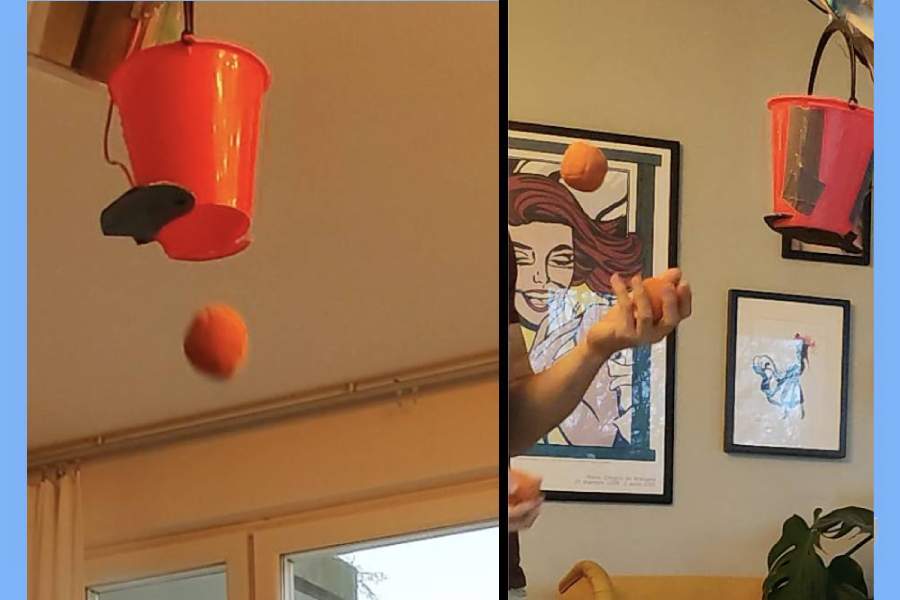
Embodied UX prototype where voice, rhythm, and physical interaction are explored through rapid prototyping in real-world movement.
More about UX, embodiment and rhythm in juggling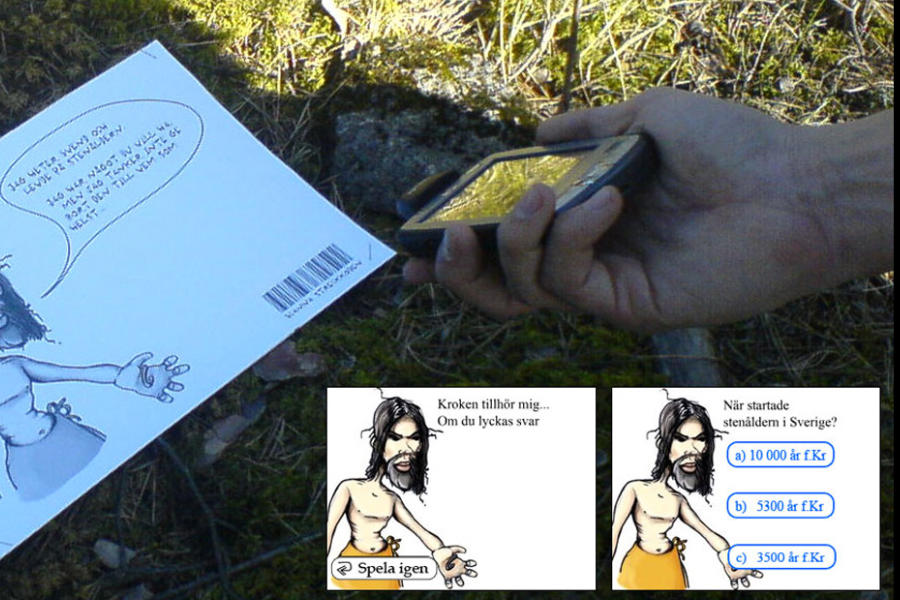
Embodied UX project where physical activity, place, and digital interaction are combined in an outdoor game.
More about Stone Age Trail - UX, embodiment and nature experiences
Study of how design artefacts influence idea generation in game design through embodied and participatory methods.
More about Making players design – UX och embodied speldesign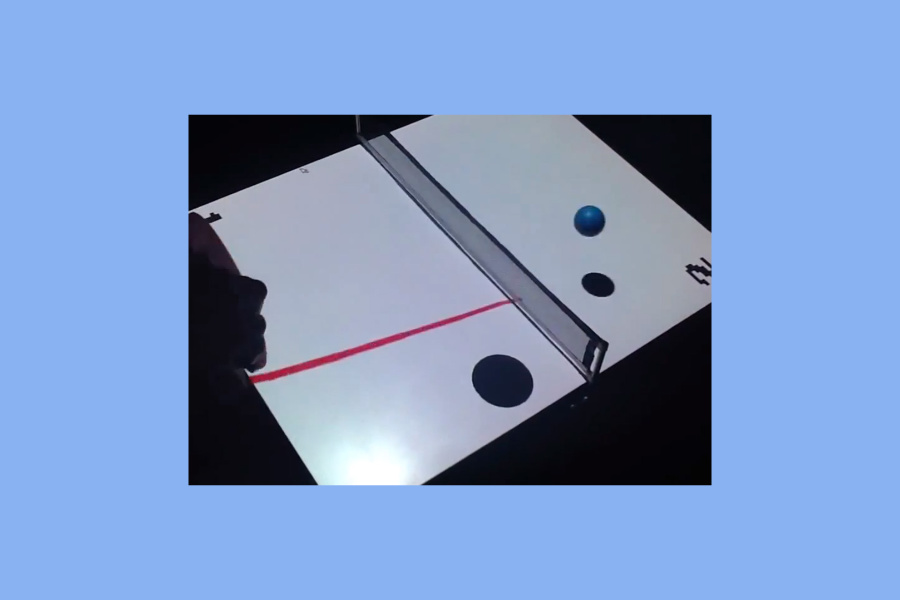
Prototype of a spatial game where body, movement, and projection are used to explore accuracy and meaning.
More about UX, embodiment and accuracy in table tennis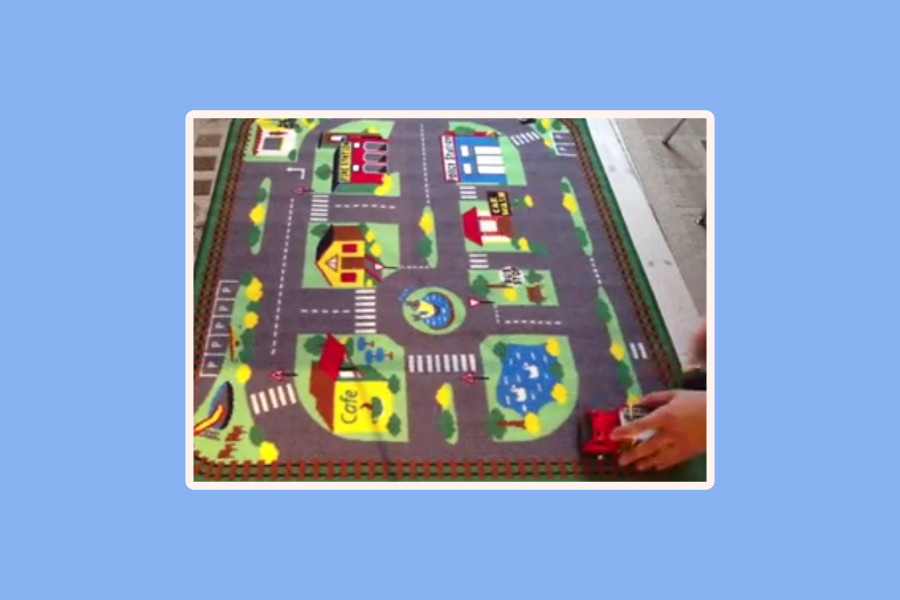
Embodied UX prototype using RFID, where physical play is augmented with real-time audio and missions.
More about UX, embodiment och fantasi i interaktiv bilmatta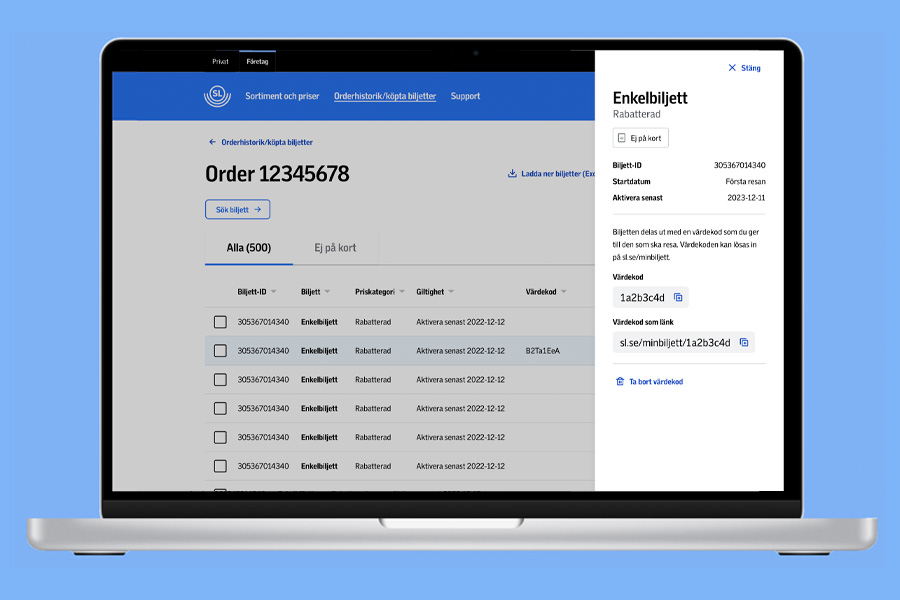
Hypothesis-driven UX where quantitative analysis and problem matrices were used to prioritise design decisions and demonstrate business impact.
More about New company website for SL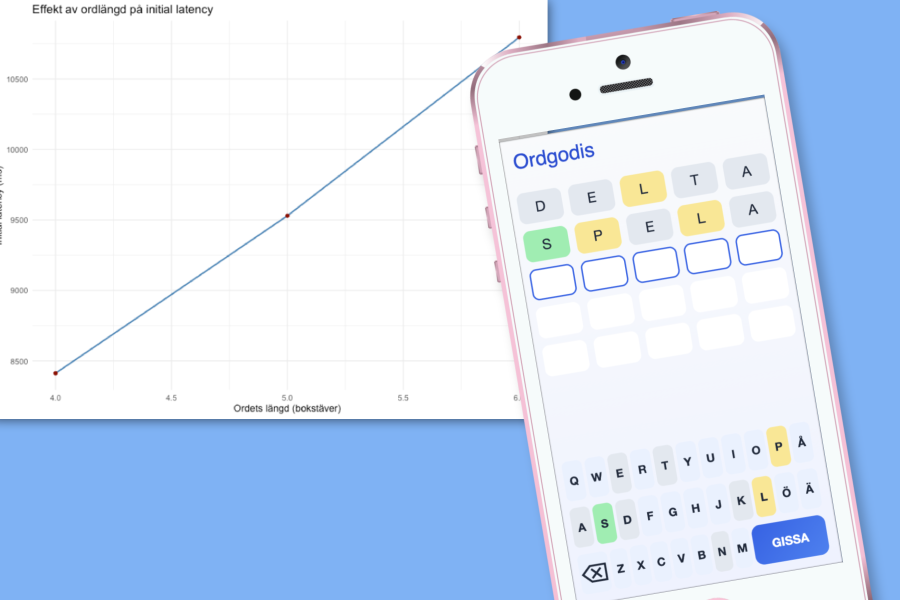
Experimented with AI-generated themes in a word game and tested how design and cognitive load affect users' decision tempo.
More about Measurable UX in a word game: Vue, AI-generated themes, and decision tempo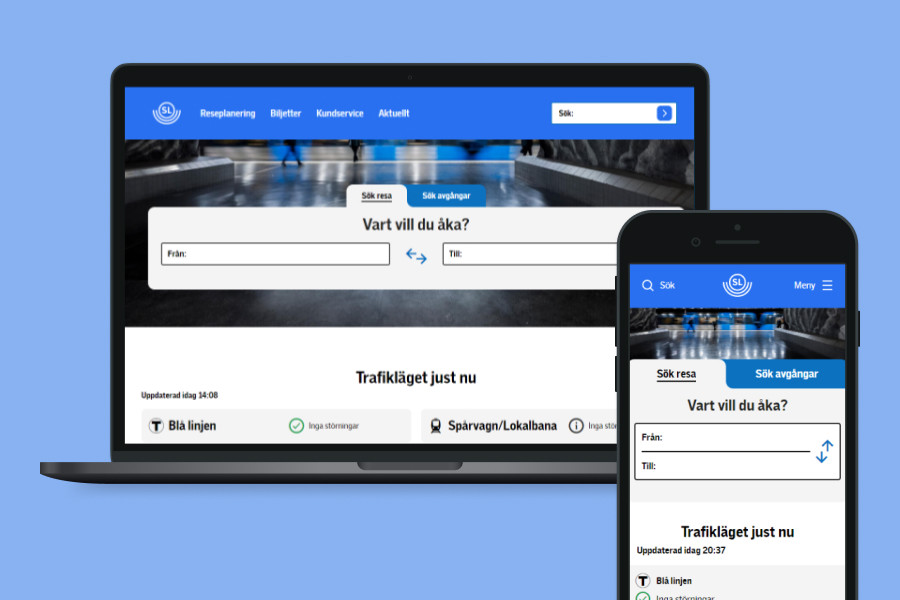
Design lead for sl.se, focused on hypothesis-driven product development, system design, and data-driven decision-making.
More about New website for SL
