Stone Age Trail - UX, embodiment and nature experiences
A mobile-based outdoor game combining physical activity, nature exploration and embodied interaction.

A mobile-based outdoor game combining physical activity, nature exploration and embodied interaction.
Concept development, embodied interaction design, storyboard, prototyping, user testing.
Stone Age Trail was a master's project in collaboration with Tyresta National Park. The aim was to create an interactive system that enhances the nature experience rather than replaces it. Traditional guided tours and signs have limited appeal, while the park wanted to attract younger visitors. Our task was to explore how embodied interaction and technology as experience can be used to create a digital experience that works in nature, on nature's terms.
The result was Stone Age Trail - a mobile-based outdoor game where two players each receive a handheld device and a barcode scanner. Along a marked trail in the forest, physical information signs displayed Stone Age tools.
Players would:
The design combined:
As in later projects, we worked with embodied interaction - letting the body, place and tools guide how the interaction works and feels.
Focus was on:
The system should feel like a tool for activity - not a screen to stare at.
We conducted interviews with visitors and staff. This provided two key insights:
Early sketches considered interaction in the terrain, how players move, find signs, and collaborate. Storyboards were used to:
We tested RFID, data gloves and gyro controllers before settling on barcode scanners and handheld devices - low abstraction, clear bodily engagement.
The final prototype consisted of
Three tests were conducted: one outdoors with two users, one indoors, and a cognitive walkthrough.
In the first test, players began competing to find signs first - even though the game was designed for collaboration. This showed how players bring their own motivations into the activity.
The Stone Age Trail has a number of physical information signs placed along the trail in the forest. Some signs are visible while others are hidden to encourage exploration. The signs contain information and also feature a barcode the visitor can scan to access more information on their handheld device.

Each information sign along the trail gives the visitor a chance to collect the tools shown. Information is also provided in video sequences with animations and music.

Once players have collected the tools they want, they play a final game where the tools are used to catch fish, hunt, and keep the fire alive to cook a stew. Players must run between three locations to collect as many fish, pigs, and logs as possible and bring them to a cooking pot.

It enhanced rather than disrupted the nature experience.
Technology becomes one with movement when it has low abstraction.
The forest, distances, and terrain shaped the experience as much as the technology.
Competition, collaboration, and improvisation arose naturally.
Stone Age Trail demonstrated that digital technology can enhance meaningful nature activities without taking over the experience. Through embodied design principles - movement, bodily engagement, spatial orientation, and low abstraction - a game was created where people experienced, explored, and collaborated in the heart of nature.
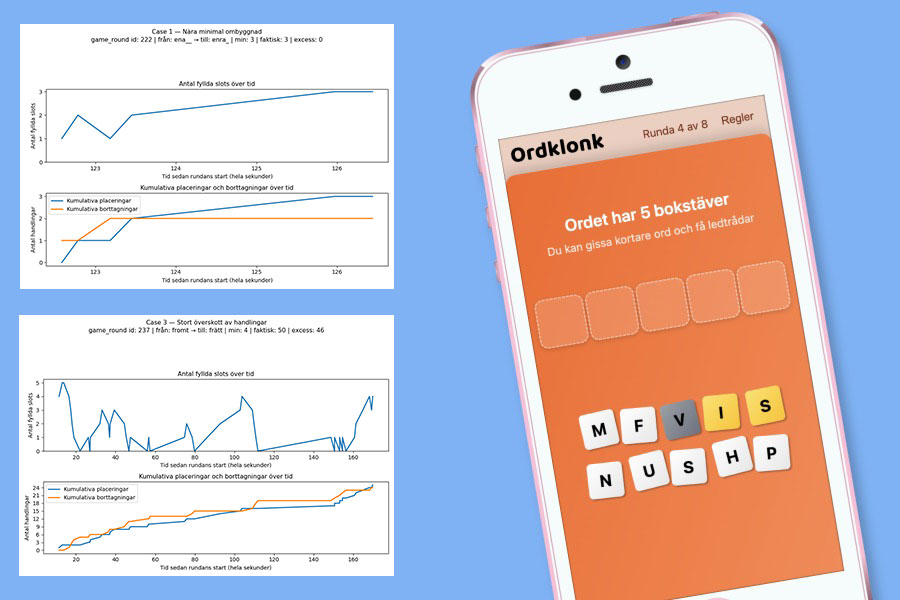
Experimental UX study investigating how moving tiles in an interface can support thinking and problem-solving.
More about Embodied UX in a word game: moving letter tiles as a cognitive strategy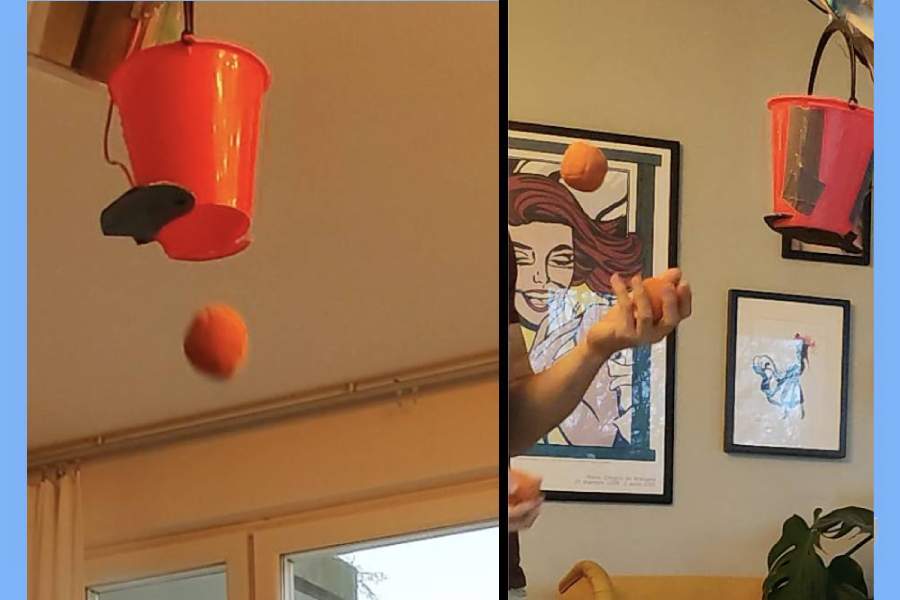
Embodied UX prototype where voice, rhythm, and physical interaction are explored through rapid prototyping in real-world movement.
More about UX, embodiment and rhythm in juggling
Study of how design artefacts influence idea generation in game design through embodied and participatory methods.
More about Making players design – UX och embodied speldesign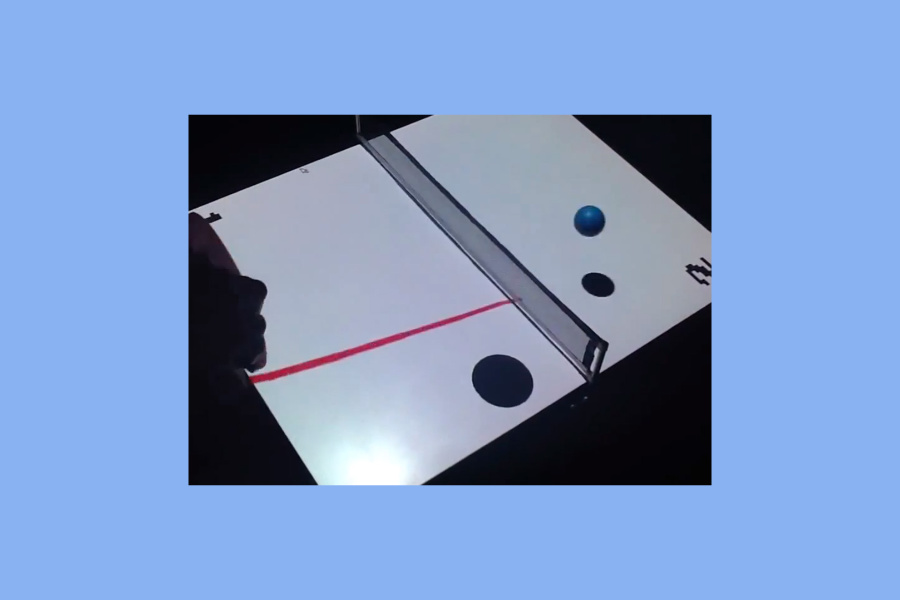
Prototype of a spatial game where body, movement, and projection are used to explore accuracy and meaning.
More about UX, embodiment and accuracy in table tennis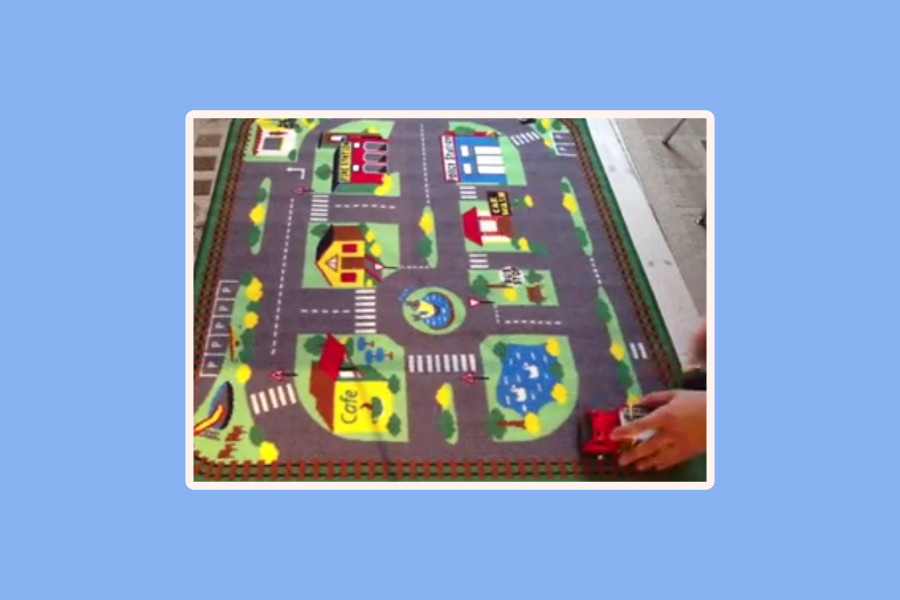
Embodied UX prototype using RFID, where physical play is augmented with real-time audio and missions.
More about UX, embodiment och fantasi i interaktiv bilmatta
