UX, embodiment and rhythm in juggling
Voice-controlled rhythm bucket that lets the body guide and feel the rhythm. An experiment in bodily interaction, rhythm, and physical improvisation.

Voice-controlled rhythm bucket that lets the body guide and feel the rhythm. An experiment in bodily interaction, rhythm, and physical improvisation.
Exploration of embodiment, rhythm, and digital interaction through physical prototyping.
As a UX designer interested in embodiment and bodily cognition, I wanted to explore how digital technology can influence tempo and the rhythmic dimensions of juggling. Traditional IT interaction often relies on screen and keyboard -- something that separates the body from thinking. Here, I wanted to do the opposite: create a prototype where body, space, and technology interact directly.
The project was carried out over a short period as a standalone experiment.
The idea emerged in the middle of juggling -- a bodily experienced 'what if...?'
I wanted to see if an artefact could:
The result was a bucket suspended near the ceiling, with a servo-controlled bottom flap that could:
As the idea came directly from movement and rhythm, the design process continued in the same way -- through the body, not by writing or drawing first. The kitchen table, floor, and workbench became my prototyping workshop. Here I improvised with:
I noticed clearly how many solutions only emerged when I was building. Manipulating the object with my hands freed up cognitive capacity. It was impossible to 'think out' the construction in my head -- it needed to be built.
I tested the prototype in several variations: different heights, tempo modes, and flap mechanisms.
Juggling while the bucket opened and closed at regular intervals became a completely new way of moving:
Shows the ceiling-mounted bucket and how balls are released into the juggling flow.

The kitchen counter as a creative workshop -- a visual proof of embodied chaos and creativity.

Tested different solution variants by quickly assembling them with various materials available at home.

Letting the system control the tempo changed the entire juggling experience.
Several technical solutions only emerged through physical improvisation.
Height, distance, and angle are as important as the software.
Tape, toys, and kitchen utensils were enough to produce a working mechanism.
This short project demonstrates how simple technology, physical improvisation, and bodily curiosity can create a completely new type of interaction. By shifting focus from screen to body, new possibilities open up for how digital systems can contribute to rhythm, flow, and experiences in movement-based activities.
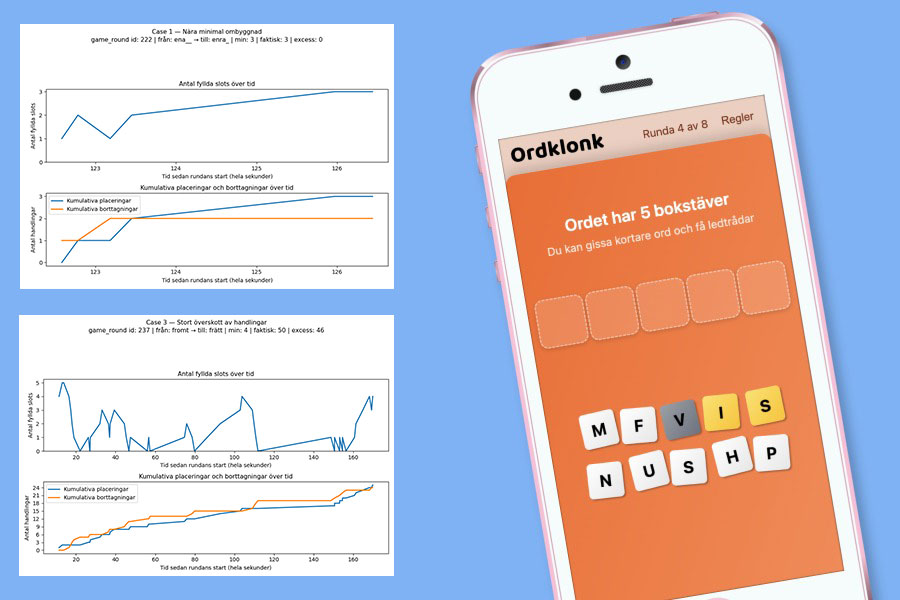
Experimental UX study investigating how moving tiles in an interface can support thinking and problem-solving.
More about Embodied UX in a word game: moving letter tiles as a cognitive strategy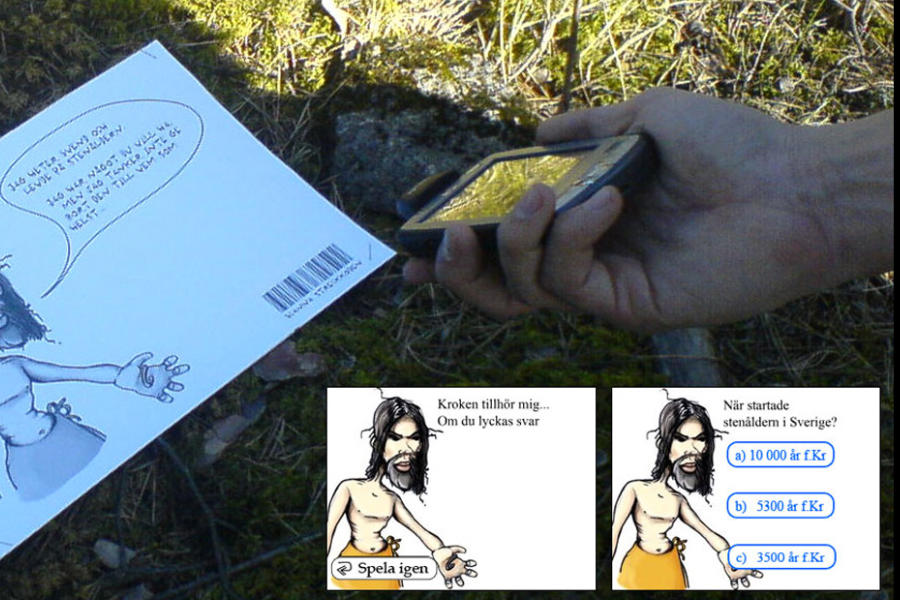
Embodied UX project where physical activity, place, and digital interaction are combined in an outdoor game.
More about Stone Age Trail - UX, embodiment and nature experiences
Study of how design artefacts influence idea generation in game design through embodied and participatory methods.
More about Making players design – UX och embodied speldesign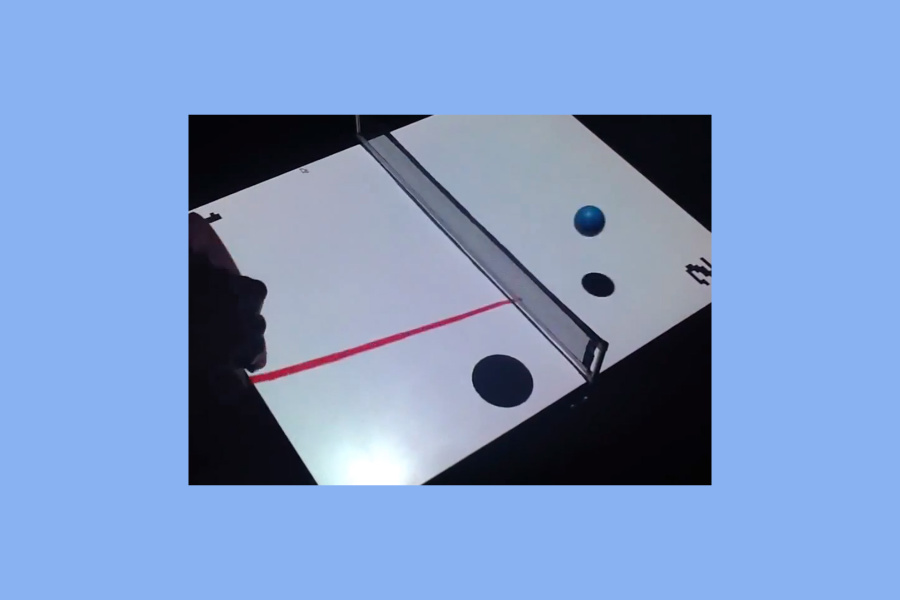
Prototype of a spatial game where body, movement, and projection are used to explore accuracy and meaning.
More about UX, embodiment and accuracy in table tennis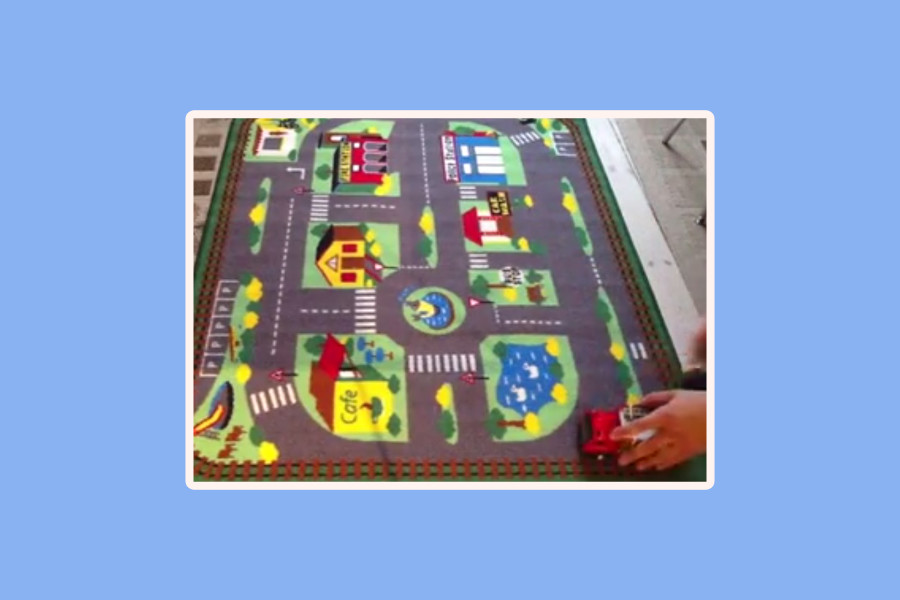
Embodied UX prototype using RFID, where physical play is augmented with real-time audio and missions.
More about UX, embodiment och fantasi i interaktiv bilmatta
