Measurable UX in a word game: Vue, AI-generated themes, and decision tempo
Experimented with AI-generated tokens across three different themes in a word game and tested how design and cognitive load affect users' decision tempo.

Experimented with AI-generated tokens across three different themes in a word game and tested how design and cognitive load affect users' decision tempo.
Built an interactive Vue prototype, a PHP backend API, a dashboard with PHP and Chart.js, and conducted UX hypothesis testing to understand how design, cognitive load, and resource constraints affect users' initial decision tempo.
I developed an interactive word game in Vue to combine frontend architecture with experimental UX. The aim was to investigate how cognitive load, resource constraints, and AI-generated visual design affect users' decision tempo. The game was inspired by Wordle and the Swedish variant Ordel, but built from scratch with a focus on data collection and analysis.
The game randomised words between 4-6 letters as well as the number of allowed guesses (4-6). Before each round, a visual theme was generated via AI with three distinct expressions: "stiff", "calm", and "playful".
Initial latency -- time to first key press -- was used as a proxy for deliberation before motor action. Latencies above 1.5 minutes were filtered out.
The frontend was built in a component-based way in Vue (Keyboard, Key, and others), where App.vue orchestrated communication through emitted events. The backend was developed in PHP with MySQL. Game data and secret words were handled in sessions, and each guess was logged as a row in the database.
Before each game round, one of three themes (calm, playful, stiff) is randomised, as well as a word length of 4-6 letters and 4-6 attempts.

To verify that data was collected correctly, a dashboard with graphs and tables was created for the different relevant data points.

A total of 667 guesses were collected from approximately 27 unique participants, recruited through my own channels. Since participants completed multiple game rounds, the data was analysed using a linear mixed-effects model with random intercepts for both participants and game rounds.
The effect was statistically significant. The coefficient for word_length = 0.125 (p ? 0.0066). When exponentiated, this means that each additional letter increased initial latency by approximately 13%. The result clearly shows that increased cognitive complexity affects decision tempo.

No significant effect of fewer allowed guesses on initial latency was found. However, latency increased slightly with each subsequent guess (?0.087 log-ms per guess), independent of max_guesses. This suggests gradually increasing deliberation rather than psychological pressure.
To investigate how the number of allowed guesses (max_guesses) affects initial latency per guess, a linear mixed model was built with log-transformed latency as the dependent variable. The model included random intercepts for participants and game rounds to account for individual differences and variation between games. The analysis was carried out both for all guesses and for the first guess in each game round. The effects of 5 and 6 allowed guesses were compared with a baseline of 4 guesses, and predicted means were visualised to illustrate possible differences in initial latency. Model used for the analysis: log_latency ~ word_length + max_guesses + theme + (1 | participant_id) + (1 | game_id).

No statistically significant effect was found. The "stiff" theme showed a weak trend towards a faster start (?12%), but the variation was dominated by individual differences. Interaction effects between resource constraints and theme were not significant.
The project demonstrates how interactive frontend development, AI-generated design variation, and quantitative analysis can be combined in a coherent UX experiment. The results suggest that initial deliberation time primarily reflects cognitive processing and game strategy rather than subtle visual influence. The case demonstrates a method for systematically testing design hypotheses in interfaces.
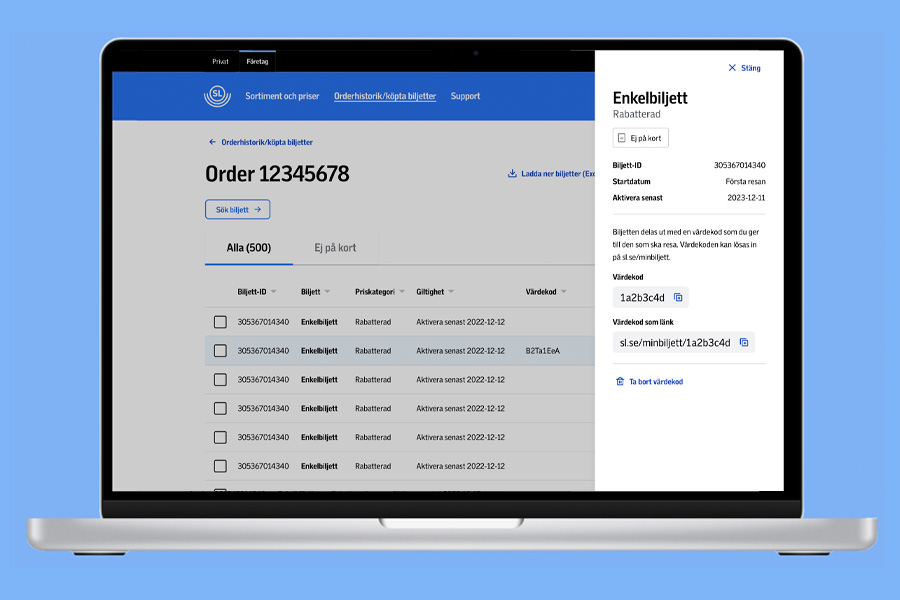
Hypothesis-driven UX where quantitative analysis and problem matrices were used to prioritise design decisions and demonstrate business impact.
More about New company website for SL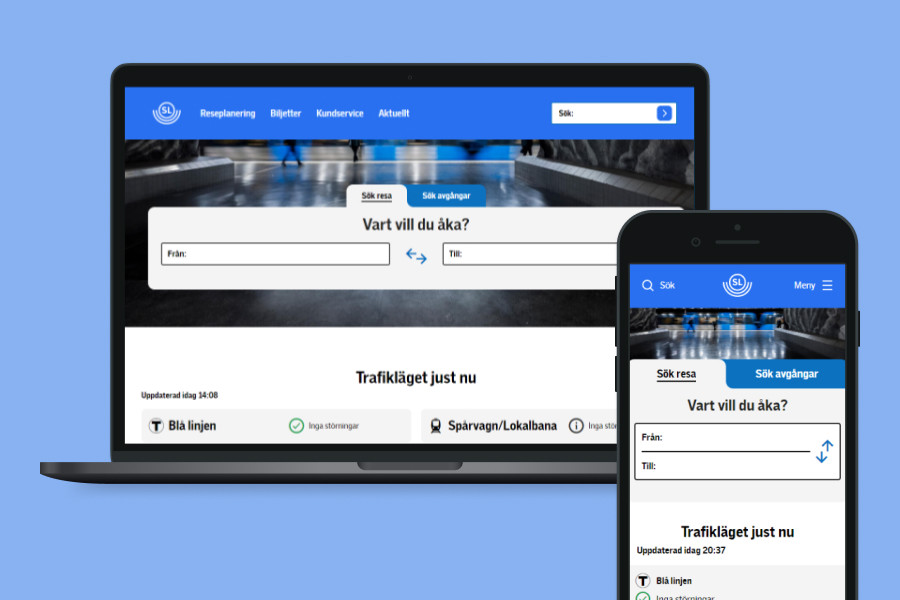
Design lead for sl.se, focused on hypothesis-driven product development, system design, and data-driven decision-making.
More about New website for SL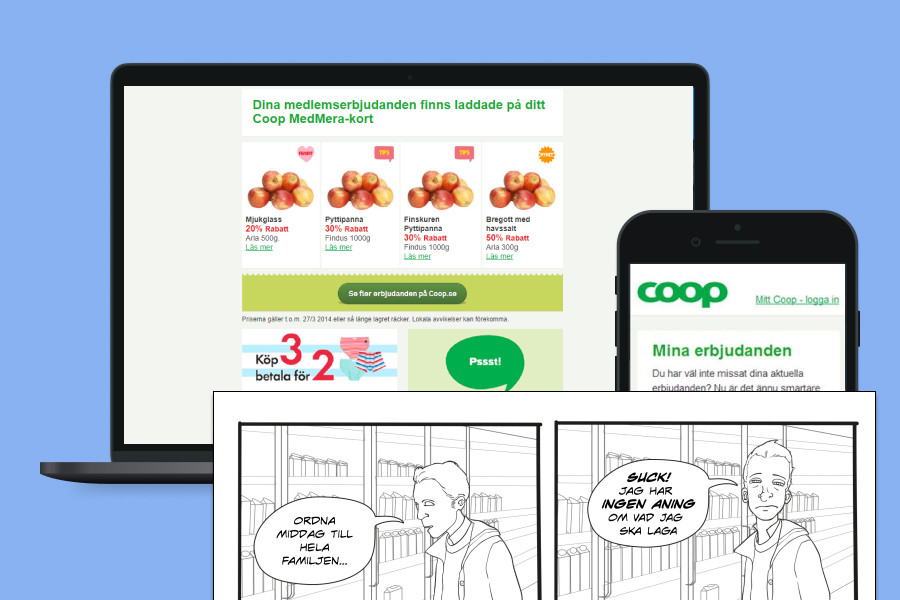
Concept development and frontend implementation, with campaigns and newsletters designed and built at scale.
More about UX at Coop
UX in complex systems, where prototypes were used as tools to align business, technology, and requirements.
More about Digitalization of social systems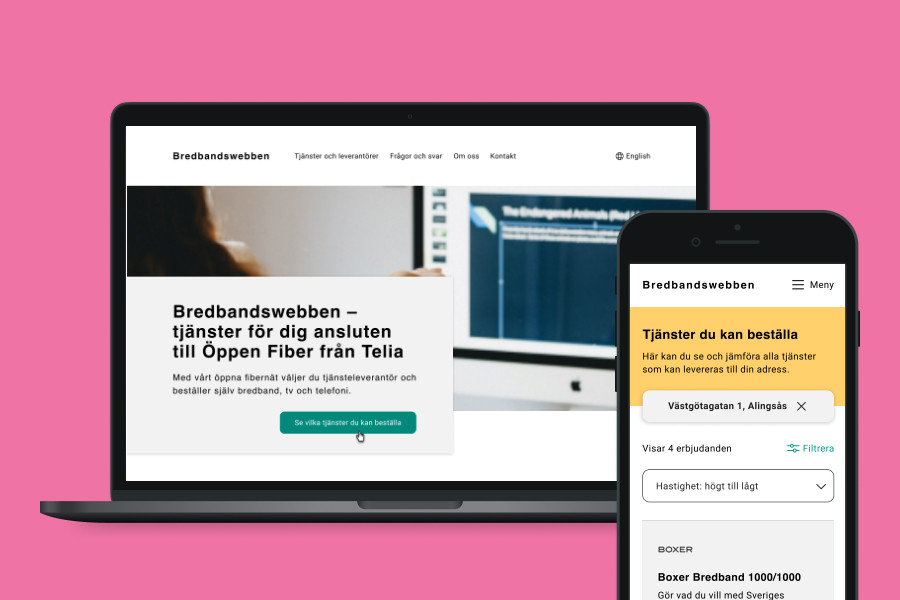
UX and design systems for Telia, where structure, visual design, and component thinking were aligned within product development.
More about Bredbandswebben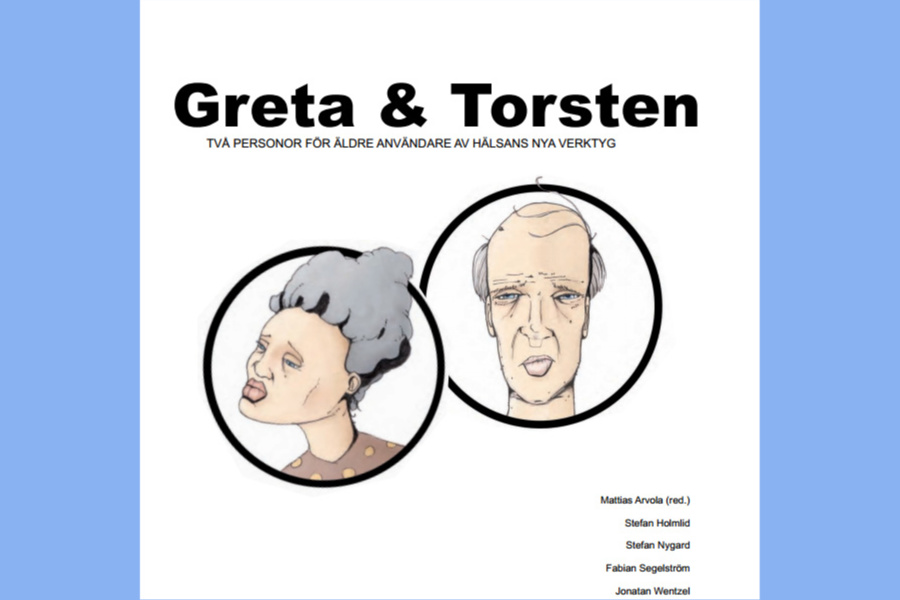
User research and personas, where interviews and storyboards were used to understand the needs of older adults.
More about Greta and Torsten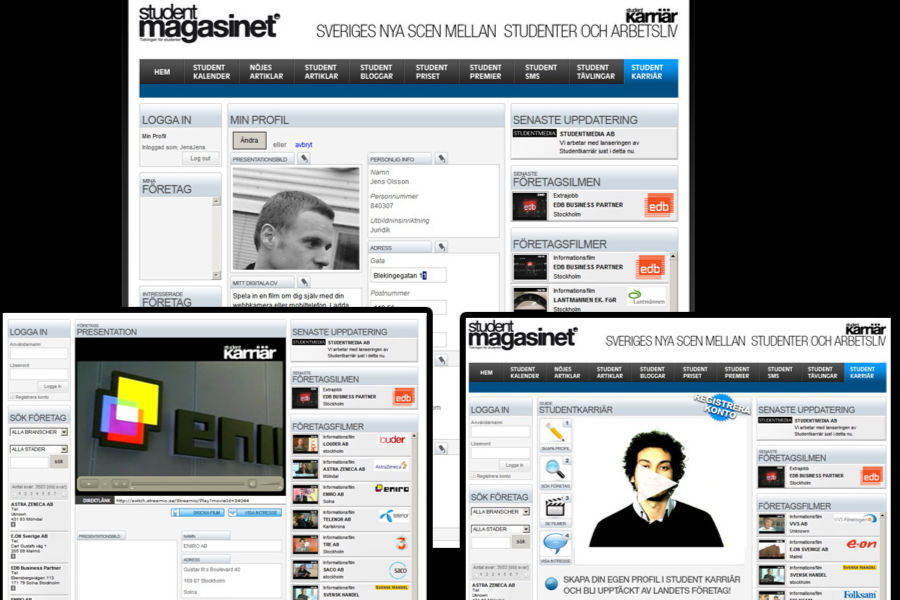
Interaction design and development of a platform that matches students with companies.
More about Student career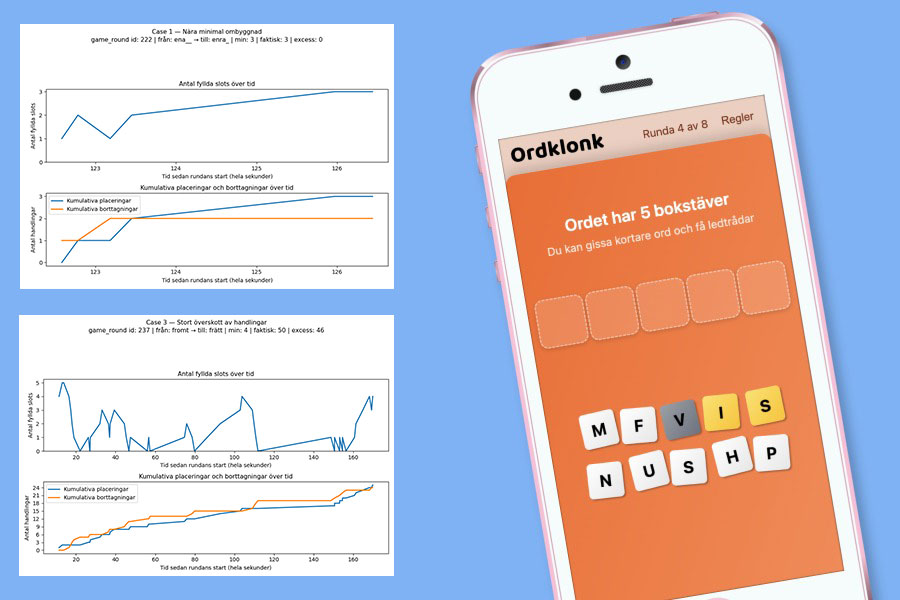
Experimental UX study investigating how moving tiles in an interface can support thinking and problem-solving.
More about Embodied UX in a word game: moving letter tiles as a cognitive strategy
